


Demon Slayer: Kimetsu no Yaiba has become a modern phenomenon in action anime, pairing jaw-dropping sword choreography with a deeply personal story about sibling devotion, grief, and resilience. Yet beneath ufotable’s dazzling visual effects, does Koyoharu Gotouge’s tale hold up across all 63 television episodes? In this Demon Slayer review, GameORB breaks down its Taisho-era worldbuilding, standout animation, pacing flaws, and how the TV series connects to the Infinity Castle film trilogy.
Demon Slayer: Kimetsu no Yaiba — Anime Overview
| Category | Details |
|---|---|
| Anime Title | Demon Slayer: Kimetsu no Yaiba |
| Original Manga | Koyoharu Gotouge (Weekly Shōnen Jump) |
| Animation Studio | ufotable |
| Director | Haruo Sotozaki |
| Music Composers | Yuki Kajiura & Go Shiina |
| TV Broadcast Span | April 6, 2019 – June 30, 2024 (63 episodes across 4 seasons / 5 story arcs) |
| Genres | Dark Fantasy, Historical Action, Supernatural Adventure |
| Core Cast | Tanjiro Kamado, Nezuko Kamado, Zenitsu Agatsuma, Inosuke Hashibira, Giyu Tomioka |
| Sequel Films | Infinity Castle Trilogy (Part 1 premiered July 18, 2025) |
Story Premise: A Taisho-Era Quest for Humanity
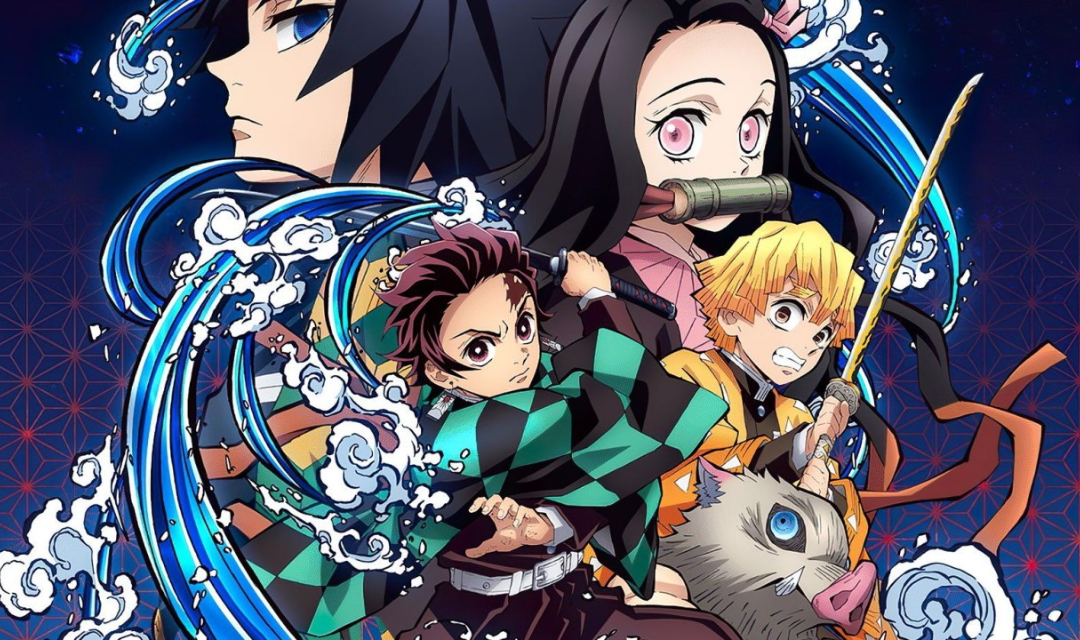
Set in early 20th-century Taisho-era Japan, Demon Slayer follows Tanjiro Kamado, a kind-hearted charcoal seller whose quiet mountain life collapses when a demon slaughters his family. The sole survivor, his younger sister Nezuko, is transformed into a demon herself—yet stubbornly retains fragments of her human empathy and refuses to prey on people.
Guided by Water Hashira Giyu Tomioka, Tanjiro trains with a color-changing Nichirin blade and joins the Demon Slayer Corps, an underground organization waging a centuries-long war against the progenitor demon Muzan Kibutsuji and his elite Twelve Kizuki. While the overarching goal follows a classic shonen progression, the narrative distinguishes itself by treating defeated demons not merely as disposable monsters, but as tragic victims whose corrupted memories resurface in their final moments.
What Makes Demon Slayer Stand Out (And Where It Stumbles)
1. Tanjiro Kamado: Empathy as a Strength—and a Limitation
Unlike hot-headed shonen protagonists driven by pride or rivalry, Tanjiro leads with unwavering compassion. He mourns the human lives his enemies lost before becoming demons while still showing the resolve to strike decisively when lives are at stake. That sincerity anchors the emotional core of the series, though viewers looking for morally gray anti-heroes may find Tanjiro’s pure-hearted consistency somewhat predictable over 60+ episodes.
2. ufotable’s Benchmark-Setting Animation & Ukiyo-e Effects
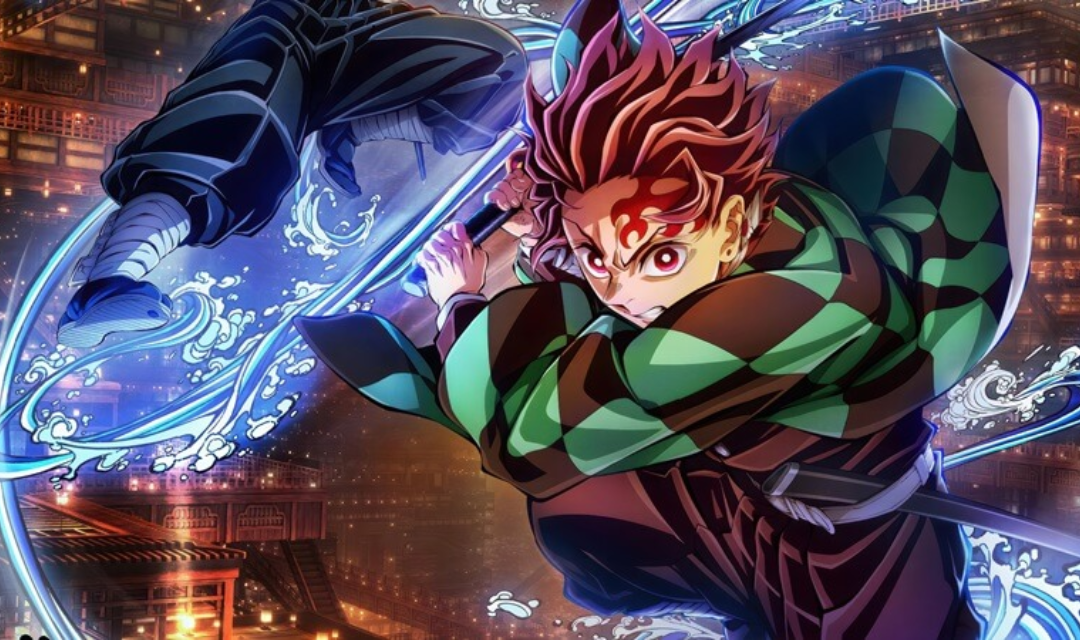
Studio ufotable elevates every duel into a visual event by seamlessly blending dynamic 3D CGI camera movement with traditional Japanese ukiyo-e woodblock-inspired elemental effects. Iconic set pieces—from Episode 19’s Hinokami Kagura breakthrough to the explosive Entertainment District Arc climax—set a modern standard for television action choreography. Occasionally, the sheer density of swirling water and flame effects can obscure pure swordplay mechanics, yet the visual craft remains unmatched in mainstream shonen.
3. Yuki Kajiura & Go Shiina’s Evocative Score
Music carries half the emotional weight of the adaptation. Composers Yuki Kajiura and Go Shiina weave traditional Japanese flutes, taiko percussion, and sweeping strings into unforgettable moments—most notably the insert song “Kamado Tanjiro no Uta” and LiSA’s iconic opening anthem “Gurenge.” Even when dramatic orchestral swells occasionally lean into melodrama, the audio design consistently amplifies the stakes of every clash.
4. Supporting Cast, Hashira Pillars & Pacing Quirks
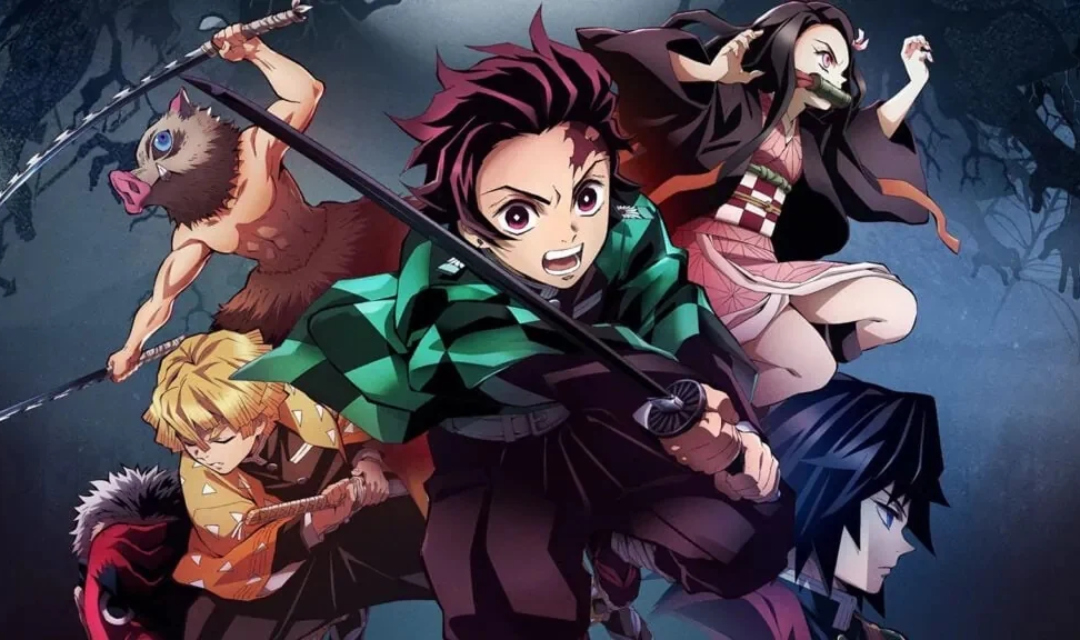
Traveling companions Zenitsu Agatsuma and Inosuke Hashibira inject boisterous comedy and contrasting fighting styles into Tanjiro’s squad, while the eccentric Hashira (such as Kyojuro Rengoku and Tengen Uzui) steal the spotlight in later arcs. Still, the series has noticeable growing pains: Zenitsu’s shrill panic in Season 1 can undercut tension, recurring deathbed demon flashbacks start to feel formulaic, and Nezuko spends large stretches sidelined inside her wooden box with minimal dialogue.
Recommended Watch Order: TV Arcs to the Infinity Castle Trilogy
Because Demon Slayer adapts its manga chronologically across both television seasons and theatrical releases, watching in release order ensures you never miss key character introductions:
- Season 1 — Unwavering Resolve Arc (Episodes 1–26): Introduces Tanjiro, Nezuko, Zenitsu, Inosuke, and the Demon Slayer Corps.
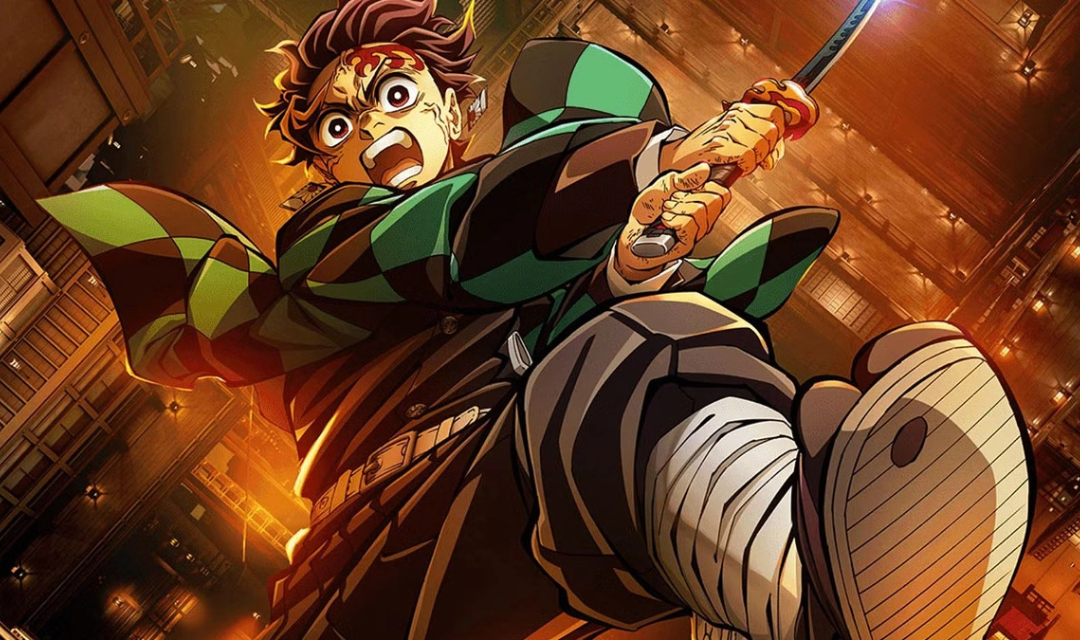
- Season 2 — Mugen Train Arc (Episodes 27–33) & Entertainment District Arc (Episodes 34–44): Adapts the record-breaking Mugen Train film with an extra original episode before moving into the battle against Upper Rank Six.
- Season 3 — Swordsmith Village Arc (Episodes 45–55): Focuses on the Mist and Love Hashira as Tanjiro repairs his Nichirin sword.
- Season 4 — Hashira Training Arc (Episodes 56–63): Prepares the Corps for their final confrontation inside Muzan’s stronghold.
- Theatrical Sequel — Demon Slayer: Kimetsu no Yaiba – Infinity Castle Trilogy: Adapting the manga’s climactic final arc, the first film premiered in Japan on July 18, 2025, kicking off the three-part cinematic finale (with release dates for Parts 2 and 3 still awaiting official confirmation).
Frequently Asked Questions
Is Demon Slayer worth watching if I prefer complex plots?
If you watch anime primarily for intricate political intrigue or twist-heavy plots, Demon Slayer may feel traditional. However, if you appreciate sincere emotional themes, tight pacing with virtually zero filler, and some of the finest action animation ever produced for television, it is well worth your time.
Is Demon Slayer suitable for anime beginners?
Yes. Its straightforward rules, clear character motivations, and accessible pacing make it an ideal gateway anime—provided viewers are comfortable with frequent sword violence, decapitations, and dark horror imagery (rated TV-14 / TV-MA depending on the platform).
Do I need to watch the TV series before the Infinity Castle movies?
Absolutely. The Infinity Castle trilogy adapts the final arc of the story and assumes full familiarity with the Hashira, the Twelve Kizuki, and the events of Mugen Train through the Hashira Training Arc.
Final Verdict: 8.5/10
Demon Slayer: Kimetsu no Yaiba proves that a familiar shonen story executed with extraordinary craft and genuine heart can still captivate audiences worldwide. While its predictable demon flashbacks and occasional tonal shifts hold it back from narrative perfection, ufotable’s breathtaking visuals, evocative score, and unforgettable sibling bond make it an essential watch for action fantasy fans. Explore more anime reviews and watch guides on GameORB.
Last updated: November 2026.