


Chainsaws tear through devils, blood drenches city streets, and a starving teenage boy dreams of nothing grander than toast with jam. Chainsaw Man turns these jarring contrasts into an unforgettable dark fantasy anime, pairing visceral gore and deadpan humor with a surprisingly tender story about poverty, trauma, and the ache for human connection. In this GameORB review, we break down MAPPA’s Season 1 adaptation, its cinematic direction, character dynamics, and how the story continues into the Reze Arc and Assassins Arc.
Chainsaw Man (Season 1) — Anime Overview
| Category | Details |
|---|---|
| Anime Title | Chainsaw Man (Season 1) |
| Original Manga | Tatsuki Fujimoto (Weekly Shōnen Jump / Shōnen Jump+) |
| Animation Studio | MAPPA |
| Director & Series Composition | Ryū Nakayama (Director) | Hiroshi Seko (Screenplay) |
| Music Composer | Kensuke Ushio |
| Original Broadcast | October 12 – December 28, 2022 (12 episodes, ~24 mins each) |
| Genres | Dark Fantasy, Supernatural Action, Psychological Horror |
| Core Cast | Denji, Pochita, Makima, Aki Hayakawa, Power |
| Sequel Releases | The Movie: Reze Arc (Streaming on Crunchyroll since April 2026) | Assassins Arc (Confirmed for late 2027) |
Story Premise: Subverting Every Shonen Cliché
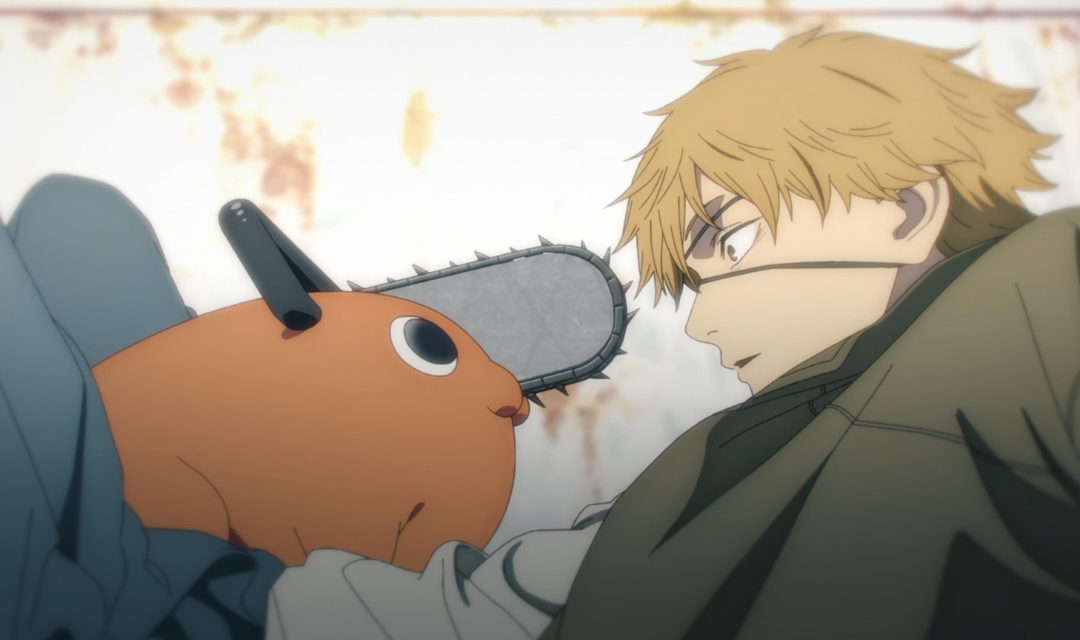
Set in an alternate 1997 where devils manifest directly from collective human fears, Chainsaw Man follows Denji, an impoverished orphan paying off his late father’s yakuza debt by hunting low-level devils alongside his chainsaw-dog companion, Pochita. After a brutal betrayal leaves him for dead, Pochita fuses with Denji’s heart—transforming him into a hybrid devil-human capable of sprouting chainsaws from his head and limbs.
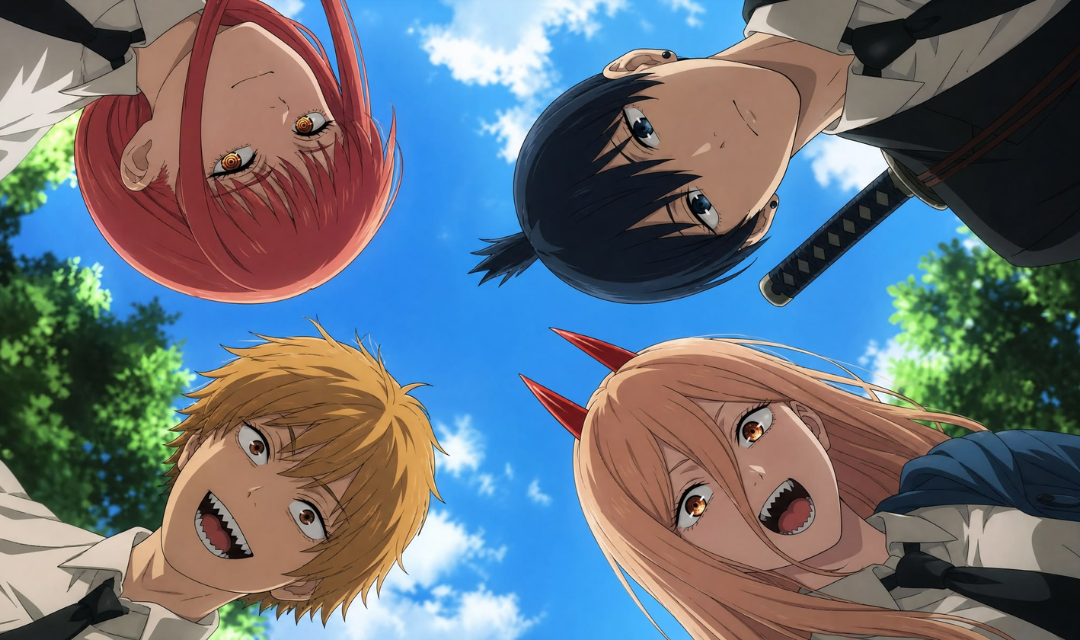
Recruited into Tokyo’s Public Safety Devil Hunters under the enigmatic Makima, Denji is partnered with the stoic, revenge-driven Aki Hayakawa and the chaotic Blood Fiend Power. As the bureau hunts fragments of the catastrophic Gun Devil, the narrative refuses to follow traditional shonen power-fantasy tropes. Denji doesn’t want to become Hokage or save humanity; having grown up without basic dignity, his motivations revolve around eating decent meals, sleeping in a warm bed, and experiencing genuine intimacy—goals that make him both hilariously blunt and deeply tragic.
What Makes Chainsaw Man Stand Out?
1. Tonal Whiplash That Balances Absurdity and Grief
Tatsuki Fujimoto’s storytelling thrives on razor-sharp tonal shifts. Within a single episode, Chainsaw Man pivots from slapstick roommates arguing over bathroom etiquette to sudden, unforgiving character deaths where no one wears plot armor. Quiet, slice-of-life sequences—like Aki’s methodical morning coffee routine—carry just as much weight as high-speed devil ambushes, grounding the supernatural carnage in genuine emotional stakes.
2. The Dysfunctional Trio: Denji, Aki, and Power
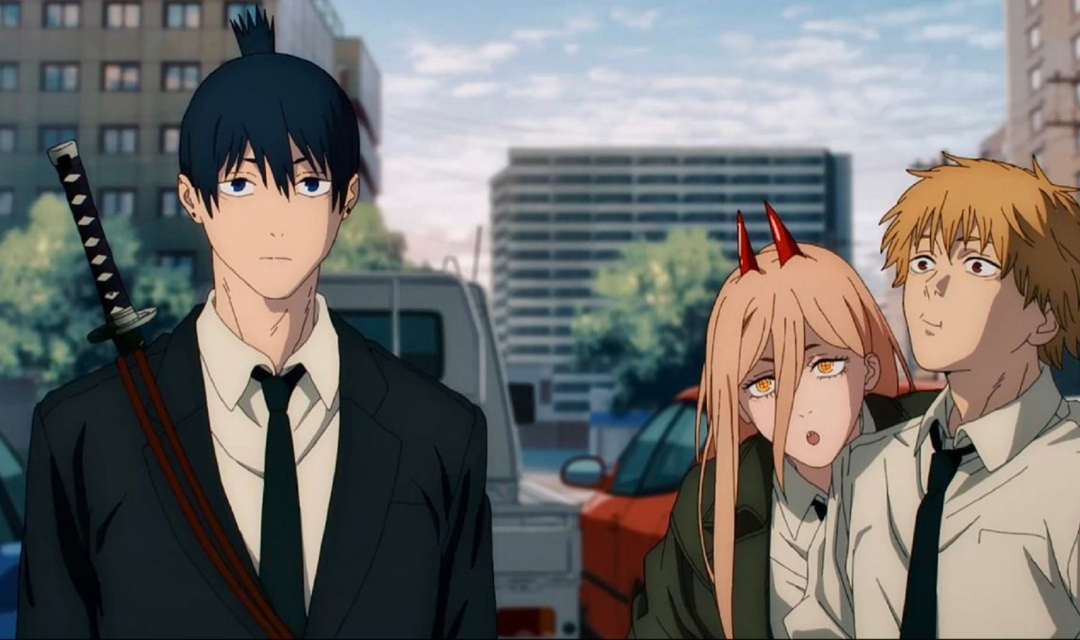
The heart of Season 1 lies in the found-family chemistry between three emotionally stunted roommates. Aki’s rigid professionalism constantly collides with Power’s pathological lying and Denji’s impulsive street smarts, while Makima’s serene, manipulative presence casts an unsettling shadow over every mission. Holding a 97% Tomatometer score on Rotten Tomatoes across 89 critic reviews, the series earned widespread acclaim for turning an unlikely trio into one of modern anime’s most compelling ensembles—even if the brisk 12-episode run leaves several side hunters wanting more screen time.
MAPPA’s Cinematic Animation & Sound Design
Grounded Cinematography Over Exaggerated Tropes
Under director Ryū Nakayama, MAPPA deliberately opted for a grounded, live-action cinematic aesthetic rather than the hyper-stylized, chibi-heavy visual gags typical of battle shonen. Moody natural lighting, fluid hand-to-hand choreography, and weighty camera movement make every chainsaw slash and devil contract feel visceral. While purists who preferred the manga’s sketchier, punk-rock energy debated the restrained tone early on, the sheer craft of set-piece battles like the Eternity Devil and Katana Man arcs stands among MAPPA’s finest television work.
Kensuke Ushio’s Score & 12 Unique Ending Themes
Audio elevates the dread at every turn. The metallic revving of Denji’s starter cord cuts cleanly through Kensuke Ushio’s minimalist, synth-and-piano score, which shifts seamlessly from industrial noise during fights to melancholic ambient tracks during quiet reflections. Paired with Kenshi Yonezu’s explosive opening anthem “KICK BACK” and 12 distinct ending songs (one dedicated to each episode from artists like Vaundy, Aimer, and Eve), the soundtrack gives every installment its own artistic signature.
Pros & Cons: Is Chainsaw Man Worth Watching?
- Compelling, Unconventional Protagonist: Denji’s grounded desires make his emotional growth feel earned rather than heroic by default.
- Top-Tier Production & Audio: Cinematic framing, visceral action choreography, and an unforgettable 12-ending musical lineup.
- Zero Filler Pacing: Every episode advances either character bonds or the overarching Gun Devil conspiracy.
- Short 12-Episode Season: Season 1 ends just as the broader world opens up, requiring viewers to continue directly into the sequel film.
- Not for the Squeamish: Heavy gore, body horror, and mature themes firmly place this series in older-teen and adult territory.
With the story continuing directly in Chainsaw Man – The Movie: Reze Arc (streaming on Crunchyroll since April 30, 2026) and MAPPA confirming the Chainsaw Man: Assassins Arc for late 2027—with screenwriter Hiroshi Seko and composer Kensuke Ushio returning—there has never been a better time to jump into the series.
Frequently Asked Questions
Is the Chainsaw Man anime faithful to Tatsuki Fujimoto’s manga?
Yes. Season 1 closely adapts the first 38 chapters of the manga without skipping major plot beats, though director Ryū Nakayama translates Fujimoto’s frantic panel pacing into a more realistic, film-inspired visual tone.
What should I watch after Chainsaw Man Season 1?
Continue directly with Chainsaw Man – The Movie: Reze Arc, which picks up immediately after Episode 12 and adapts the Bomb Girl arc before the upcoming Assassins Arc.
When is the next Chainsaw Man installment releasing?
MAPPA has officially announced Chainsaw Man: Assassins Arc for a late 2027 release window, though the studio has not yet confirmed whether it will air as a television season or another theatrical feature.
Is Chainsaw Man appropriate for younger anime fans?
No. Despite serializing under the Shōnen label, the anime features explicit gore, dismemberment, profanity, and mature psychological themes, earning a TV-MA / 17+ rating.
Final Verdict: 9/10
Chainsaw Man earns its reputation by refusing to play by safe shonen rules. Beneath the roaring chainsaws and fountain-like blood sprays lies a sharp, empathetic portrait of lonely people trying to survive in a merciless world. If you appreciate bold cinematic direction, unpredictable storytelling, and characters who feel messily human, MAPPA’s adaptation is essential viewing. Explore more anime reviews and release updates on GameORB.
Last updated: November 2026.