

Video game adaptations often face an uphill battle in Hollywood. The challenge lies in translating interactive gameplay, deep lore, and player-driven fear into a compelling, passive cinematic experience. Historically, many attempts have faltered, struggling to capture the essence that made their source material beloved.
However, the horror genre has proven to be a fertile ground for genuine exceptions. When filmmakers commit to respecting a game’s unique atmosphere, creature design, psychological depth, and emotional core, the results can transcend mere fan service, becoming both critically memorable and commercially successful films in their own right. This delicate balance of fidelity and cinematic vision is key to unlocking a game’s potential on the big screen.
Five Horror Game Movie Adaptations That Truly Worked (Ranked)
Here’s a concise overview of the top five horror game adaptations that successfully navigated the complex journey from console to cinema, highlighting the core strengths that made each film stand out:
| Film | Source Game | What It Nailed |
| Five Nights at Freddy’s (2023) | Five Nights at Freddy’s | Strategic fan service & massive box-office appeal |
| Silent Hill (2006) | Silent Hill 1 & 2 | Unwavering atmosphere & iconic creature design |
| Resident Evil (2002) | Resident Evil series | High-energy franchise launch & zombie action |
| Werewolves Within (2021) | Werewolves Within | Pitch-perfect comedic horror tone & character tension |
| Detention (2019) | Detention | Deep cultural resonance & psychological dread |
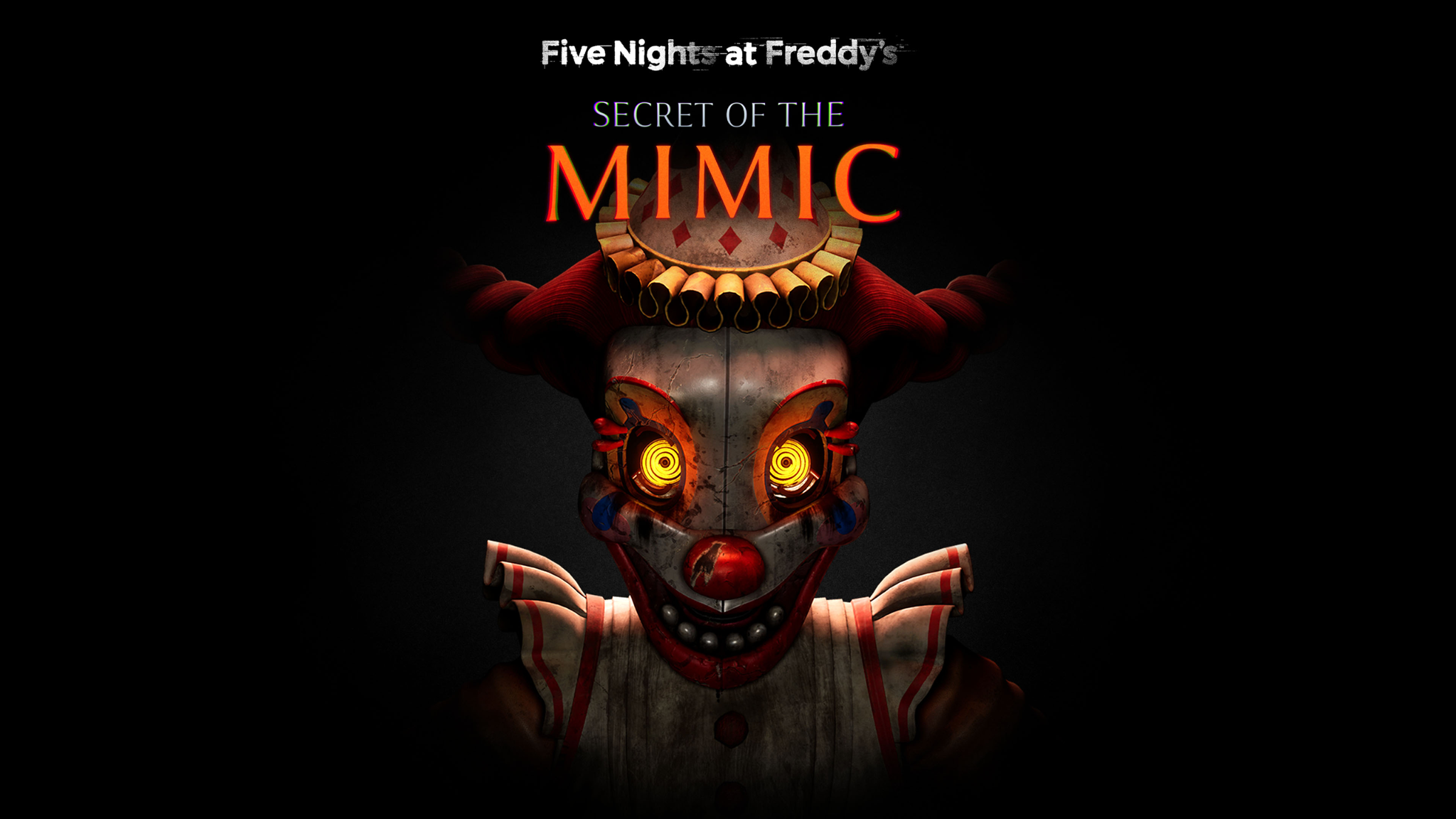
1. Five Nights at Freddy’s (2023)
Blumhouse’s highly anticipated big-screen rendition of Scott Cawthon’s indie survival horror phenomenon exploded onto the scene, grossing over $290 million worldwide. Its massive commercial success wasn’t accidental; it was a carefully executed strategy centered on a profound understanding of its dedicated fanbase.
The film expertly navigated the delicate balance between accessible storytelling for newcomers and a deep appreciation for the game’s intricate mythology. A crucial decision was utilizing practical animatronics, meticulously crafted by the renowned Jim Henson’s Creature Shop. This commitment to tangible effects, rather than relying solely on CGI, gave the killer animatronics a menacing, tactile presence that resonated with players who grew up with the game’s distinctive aesthetic. Furthermore, the movie was packed with subtle nods, Easter eggs, and specific lore elements that only longtime fans of the original game series and its vast interconnected universe would fully appreciate, fostering a powerful sense of community and ownership among its target audience. While not universally lauded as a pure horror masterpiece by all critics, its undeniable triumph lies in its unwavering respect for the source material, treating it as a valuable IP to be protected and expanded upon, rather than carelessly rewritten. For a franchise built on jump scares, hidden narratives, and pervasive dread, this fan-first approach undeniably paid off, both in audience satisfaction and unprecedented box-office numbers, solidifying its place as one of the most successful horror game adaptations in recent history.
2. Silent Hill (2006)
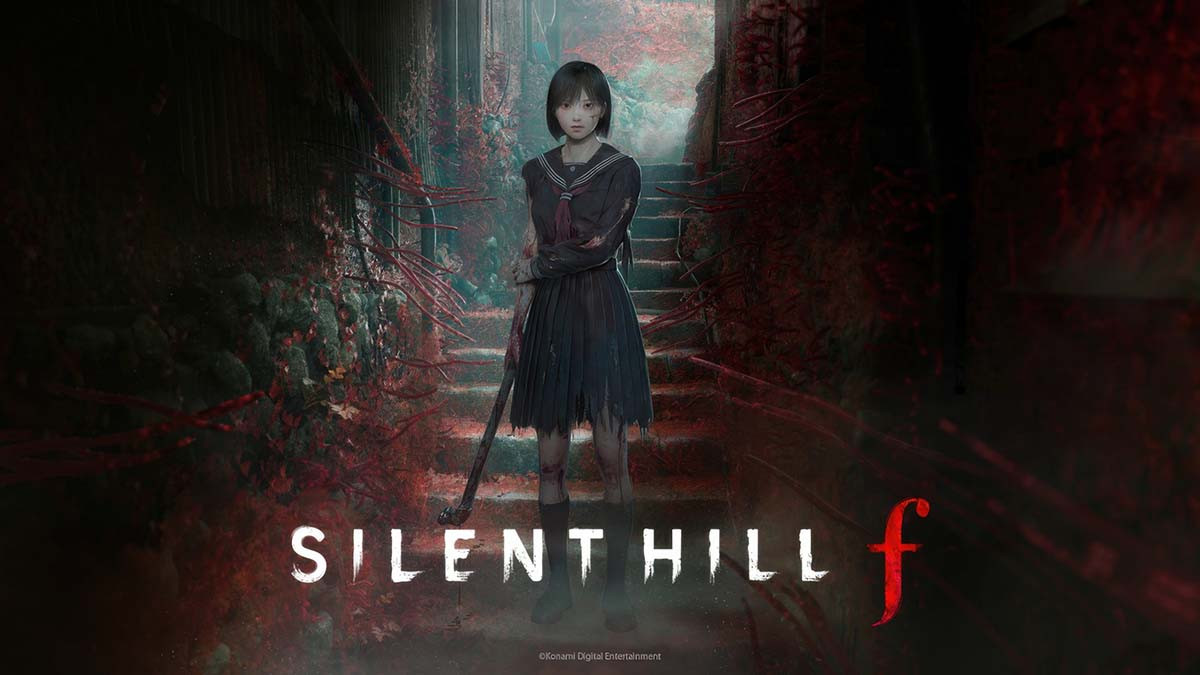
Christophe Gans’ adaptation of Konami’s seminal psychological horror series stands as one of the most visually arresting and atmospherically faithful video game movies ever produced. Eschewing the typical Hollywood impulse to streamline or over-explain, the film courageously prioritized the oppressive, suffocating mood, decaying industrial architecture, and terrifying creature design that defined the early Silent Hill games, particularly Silent Hill 1 and 2.
The transition from the ‘real world’ to the nightmarish ‘Otherworld’ with its unsettling siren, the omnipresent, disorienting fog, and the truly iconic Pyramid Head, all felt directly ripped from the game’s unsettling fabric. Gans’ direction ensured that the visceral dread and sense of inescapable decay were palpable, relying heavily on practical effects and art direction to craft a living nightmare. While the narrative, particularly its more convoluted lore elements, has always been a point of contention among both critics and fans, the film’s unwavering commitment to visual identity, its use of distorted sounds, and its horrifying ensemble of monsters (like the grotesque nurses and the unsettling janitor Colin) remain unparalleled. Few game adaptations have managed to so perfectly translate the pure, terrifying aesthetic of their source material onto the cinematic canvas, making it a benchmark for atmospheric horror cinema.
3. Resident Evil (2002)
Paul W.S. Anderson’s initial foray into the Resident Evil universe marked a pivotal moment for video game cinema. While it undeniably took significant narrative liberties, pivoting from the survival horror roots of Capcom’s games towards a more action-oriented horror thriller, it remarkably managed to capture core thematic elements that resonated deeply with audiences and established a highly successful franchise.
The film brilliantly conveyed the claustrophobic dread of the Umbrella Corporation’s underground research facility, The Hive, effectively translating the confined, tense environments often found in the games. It also introduced audiences to the insidious corporate conspiracy at the heart of the T-virus outbreak and the relentless, overwhelming threat of hordes of zombies and mutated creatures. Anchored by Milla Jovovich’s compelling performance as Alice (an original character who quickly became synonymous with the film series) and an unforgettable industrial score by Marilyn Manson and Marco Beltrami, the movie became a global box office hit. It proved conclusively that a video game property could not only launch a long-running, commercially viable film franchise but could also successfully adapt its core horror elements for a broader cinematic audience, even while evolving its genre identity. It set the precedent for what a successful horror game film series could achieve on the big screen, inspiring numerous sequels and spin-offs.
4. Werewolves Within (2021)
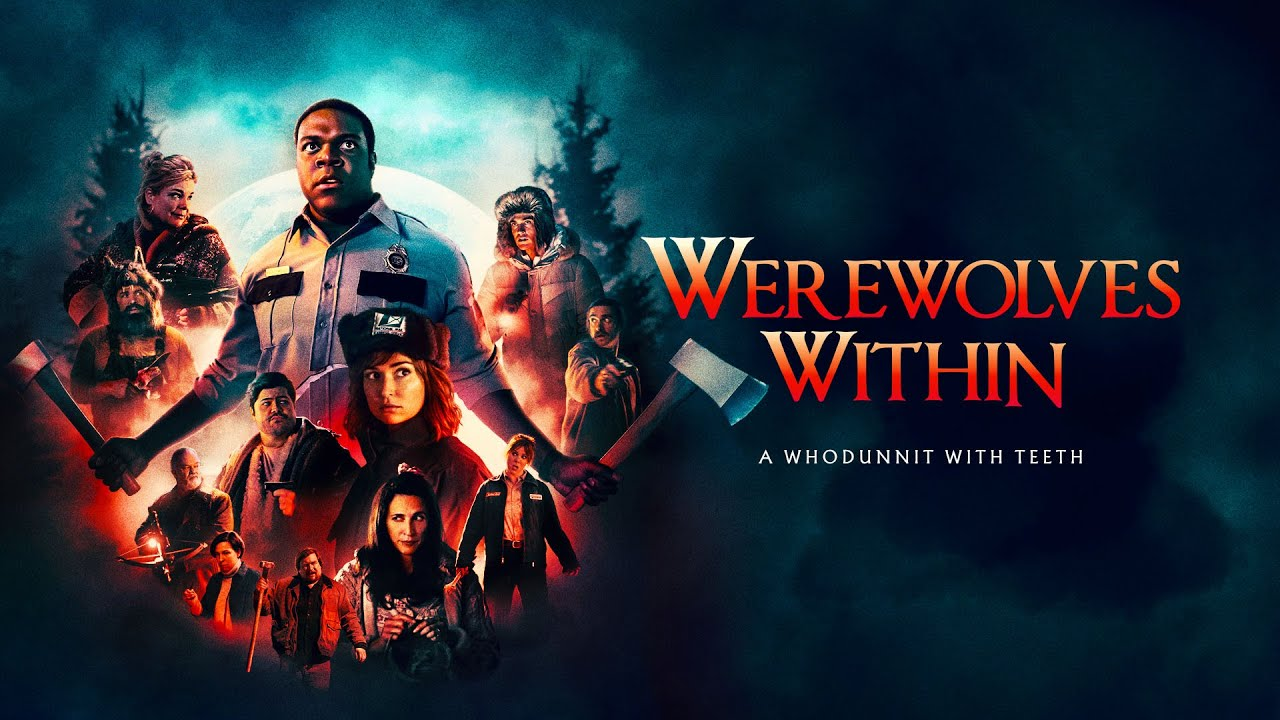
Adapted from Ubisoft’s popular social-deduction VR game, Werewolves Within stands as a brilliant example of how even niche video game concepts can yield exceptional cinematic results. This sharp horror-comedy defied expectations, earning a strong 86% Rotten Tomatoes score by sidestepping predictable monster movie tropes and instead honing in on the game’s fundamental psychological core: suspicion, isolation, and the fractured trust within a small, snowbound community.
Director Josh Ruben and writer Mishna Wolff understood that the game’s true horror wasn’t the monster itself, but the paranoia it engendered among players. The film masterfully builds tension through witty dialogue and strong character performances, crafting a tight, character-driven whodunit that feels more akin to classic mystery films like Clue or a Coen Brothers movie than a typical creature feature. Its success underscores a critical lesson for video game adaptations: sometimes, the less obvious, more intimate properties with strong thematic foundations can translate into far more creative and engaging films than attempts to simply replicate the biggest action franchises. It’s a testament to focusing on tone and character dynamics as the true drivers of compelling genre storytelling.
5. Detention (2019)
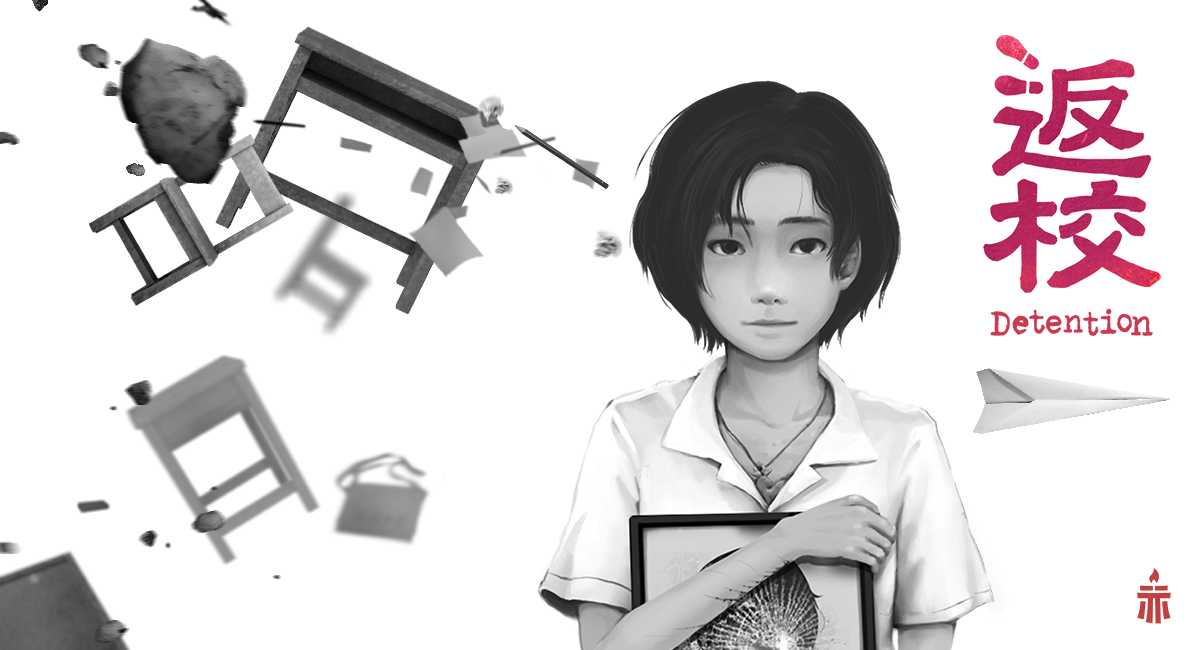
This Taiwanese adaptation of Red Candle Games’ acclaimed indie horror title is a standout for its profound cultural depth and unflinching exploration of historical trauma. Set against the harrowing backdrop of Taiwan’s White Terror period in the 1960s, the film masterfully weaves supernatural dread with the very real, chilling horror of political oppression, censorship, and widespread fear.
Detention distinguishes itself by remaining remarkably faithful to the game’s distinct tone and unsettling themes, including its unique blend of Taiwanese mythology, psychological terror, and evocative art style. Beyond mere replication, the film powerfully expands upon the emotional and historical context, offering viewers a deeper understanding of the societal anxieties and personal tragedies that defined this dark chapter in Taiwanese history. The result was not only a significant critical success across Asia, lauded for its atmospheric storytelling and powerful social commentary, but also a commercial hit. Its triumph powerfully demonstrates that indie horror games, especially those rooted in rich cultural narratives and potent storytelling foundations, can translate into exceptionally impactful and resonant cinematic experiences, proving the global appeal of nuanced psychological horror beyond traditional Western franchises.
Looking Ahead: The Future of Horror Game Adaptations
The landscape for horror game adaptations continues to evolve, with a robust pipeline of new projects in development. Upcoming films like the Dead by Daylight adaptation (with Blumhouse and Atomic Monster at the helm) signal that major studios firmly believe in the genre’s cinematic potential, recognizing the immense built-in audience and rich narrative universes waiting to be explored.
As Hollywood refines its approach to IP adaptation, the key to future success will likely lie in understanding the diverse blueprints established by these five films. Whether an adaptation chooses the immersive, atmospheric fidelity of Silent Hill, the broad fan-service and commercial appeal of Five Nights at Freddy’s, the character-driven wit of Werewolves Within, or the culturally resonant psychological depth of Detention, the core principle remains: true cinematic success springs from a profound respect for the source material’s essence, combined with an astute understanding of how to translate interactive horror into compelling passive viewing. These standout films serve as crucial case studies, illuminating the path forward for creators aiming to genuinely capture what made their respective games work and bring that magic to the silver screen.
Stay tuned to GameORB for more expert ranked lists, in-depth horror game coverage, and insightful gaming analysis.